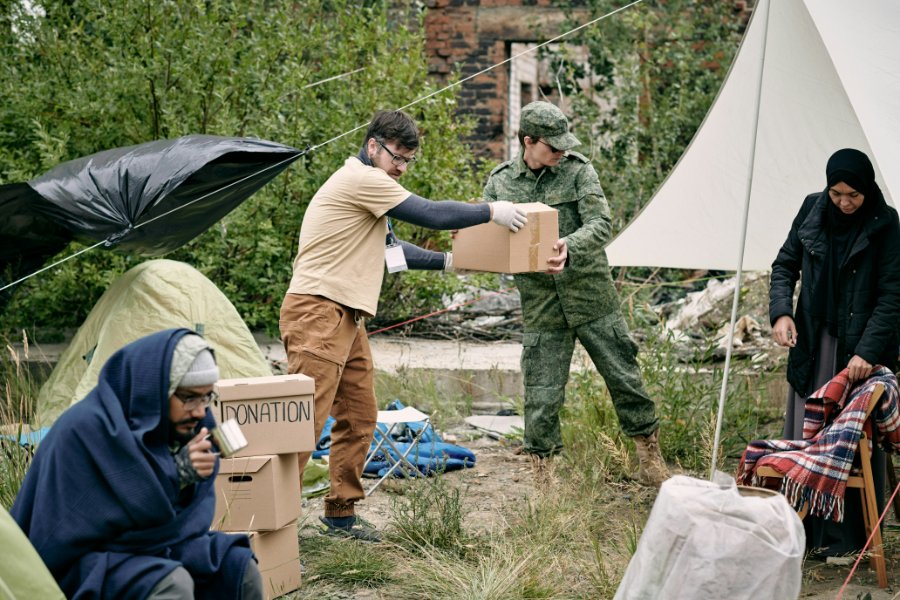
Natural disasters can change lives in a matter of minutes. Hurricanes, floods, earthquakes, wildfires, and other emergencies can destroy homes, damage businesses, and disrupt entire communities. During these difficult moments, charitable support becomes essential for helping affected families recover. Donations, volunteer services, and community partnerships can provide immediate relief and create opportunities for long-term recovery. Mobilizing charitable support requires compassion, careful planning, and cooperation among individuals, nonprofit organizations, businesses, and local leaders. When people work together, they can deliver meaningful assistance, restore hope, and help vulnerable communities rebuild their lives.
Understanding the Need for Immediate Disaster Relief
When a natural disaster strikes, affected communities often face urgent challenges. Families may lose access to clean water, food, shelter, electricity, and medical services. Roads and communication systems can also become damaged, making it difficult for emergency teams to reach people who need assistance. Charitable organizations play an important role in addressing these needs by collecting essential supplies and providing emergency resources. Their efforts help families manage immediate difficulties while supporting local emergency response teams. Quick assistance can also prevent existing problems from becoming more serious.
Understanding the specific needs of affected areas is the first step toward effective charitable support. Not every community requires the same type of assistance. Some families may need temporary housing, while others may require medical supplies, clothing, or financial support. Nonprofit organizations can work with local authorities and community representatives to identify urgent priorities. This approach helps ensure that donations reach the right people and provide practical benefits during critical situations. Careful needs assessments also prevent unnecessary supply collection and improve disaster relief planning.
Encouraging Community Participation in Charitable Giving
Community participation can significantly strengthen disaster relief efforts. Individuals, families, schools, and local businesses can contribute through fundraising events, donation campaigns, and volunteer programs. Even small contributions can create meaningful results when many people participate. Sharing information about verified charitable campaigns can also encourage more individuals to support emergency response initiatives. Community involvement creates a shared sense of responsibility and reminds people that helping others is an important part of social progress. Collective generosity can make relief efforts more effective and inclusive.
Local leaders and community organizations can make charitable activities more accessible. They can organize donation drives, coordinate volunteers, and establish collection points for essential supplies. Businesses can contribute by providing transportation, storage facilities, food products, or financial assistance. Schools and educational institutions can also encourage students to participate in community service activities. These combined efforts strengthen community relationships and create a reliable support network that can respond quickly when disasters occur. Local participation also helps organizations understand cultural needs and reach vulnerable households more effectively.
Using Digital Platforms to Expand Charitable Support
Digital technology has changed how charitable organizations connect with donors and volunteers. Online fundraising platforms allow people to contribute to disaster relief campaigns without geographical limitations. Social media also helps organizations share emergency updates, communicate urgent needs, and reach wider audiences. A well-organized digital campaign can attract support from individuals who may not have direct connections to an affected community. This wider reach allows charitable organizations to collect resources more efficiently and respond to emergencies with greater flexibility.
Transparency is especially important when organizations request online donations. Donors want to understand how their contributions will help disaster survivors. Charities can build trust by sharing verified information, providing regular progress updates, and explaining how they distribute financial assistance. Secure payment systems and clear donation records also encourage responsible giving. Organizations should avoid exaggerated claims and communicate realistic fundraising goals. By using digital tools effectively, nonprofit organizations can strengthen donor relationships, improve fundraising strategies, and maintain public confidence during emergency situations.
Building Partnerships for Effective Disaster Response
Strong partnerships help charitable organizations deliver assistance more effectively. Nonprofits can collaborate with government agencies, healthcare providers, local businesses, and international aid organizations to coordinate their activities. Each partner can contribute different resources and expertise. Healthcare providers may offer medical support, while transportation companies can help deliver food, water, and emergency supplies. These partnerships reduce duplication and make better use of available resources. They also help organizations reach remote locations where emergency assistance may otherwise arrive slowly.
Cooperation also improves disaster preparedness and long-term planning. Organizations that maintain relationships before emergencies can respond more quickly when a crisis develops. They can establish communication systems, identify supply sources, and prepare volunteer networks in advance. Regular coordination helps partners understand their responsibilities and avoid unnecessary delays. Businesses can also include charitable support in their corporate social responsibility programs. These relationships create stronger emergency response systems and make charitable support more organized, reliable, and effective. Consistent communication ensures that every partner understands changing community needs.
Supporting Long-Term Recovery and Community Resilience
Disaster relief should not end when the immediate emergency passes. Many families need months or even years to recover from significant losses. Rebuilding homes, restoring local businesses, repairing schools, and improving public facilities require continued financial and community support. Charitable organizations can help survivors access housing assistance, educational resources, employment opportunities, and essential services. Long-term programs give affected families the tools they need to regain stability and independence. Continued assistance can also help restore local economic activity and rebuild community confidence.
Supporting community resilience also means preparing people for future emergencies. Charities can invest in disaster education, emergency supply programs, safer housing initiatives, and local training opportunities. These activities help communities understand potential risks and respond more confidently when another disaster occurs. Donors can contribute to programs that focus on sustainable recovery rather than temporary solutions. Effective resource management, community development, and long-term planning can improve the overall impact of charitable investments. By supporting long-term development, charitable organizations help protect future generations and create safer, stronger communities.
Creating a Culture of Compassion Through Giving
Mobilizing charitable support during natural disasters requires more than collecting donations. It involves building trust, encouraging participation, and connecting available resources with people who need help. Individuals can make a difference through financial contributions, volunteer work, and responsible information sharing. Organizations can strengthen their impact through transparent fundraising, effective resource management, and meaningful community partnerships. Every responsible effort can contribute to a stronger disaster response and help families overcome difficult circumstances.
A culture of giving grows when people recognize the importance of helping others during difficult times. Communities become more resilient when individuals and organizations work toward shared goals. Although natural disasters can create enormous challenges, collective generosity can provide hope and practical assistance to affected families. Continued charitable engagement helps communities recover, rebuild, and prepare for the future. Through compassion, cooperation, and sustainable support, people can turn difficult moments into opportunities for meaningful social change.