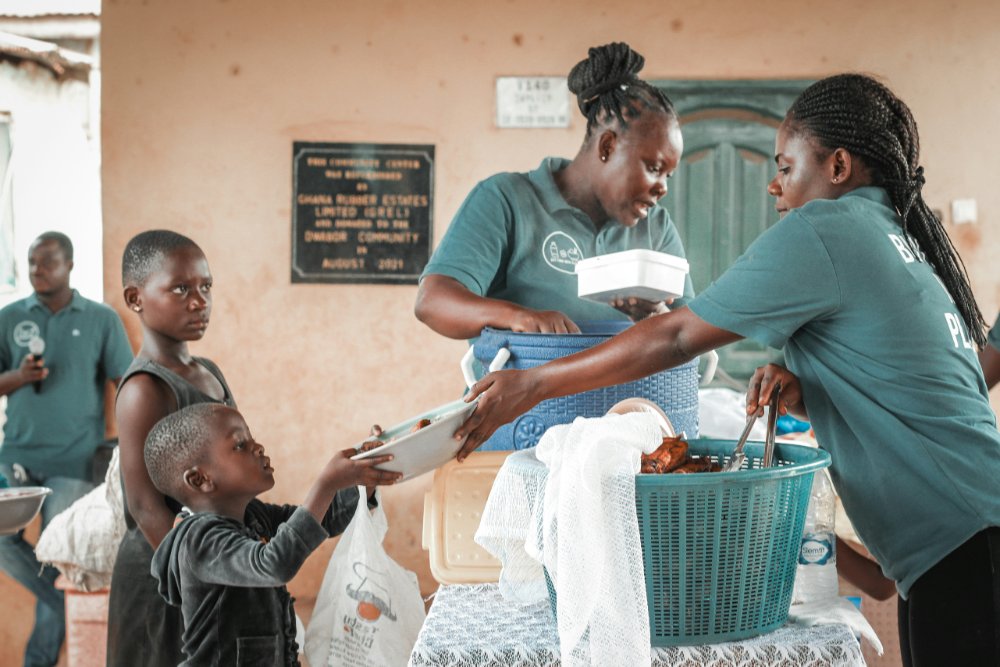
Natural emergencies can change lives in a matter of minutes. Floods, hurricanes, earthquakes, wildfires, and severe storms can destroy homes, damage infrastructure, and leave families without necessities. During these difficult moments, immediate assistance can make a meaningful difference. However, delivering effective disaster relief requires more than emergency workers and supplies. It also depends on donors who are willing to contribute money, resources, and time. Mobilizing donors quickly helps relief organizations respond to urgent needs and support affected communities. With clear communication, strong partnerships, and organized fundraising efforts, charitable organizations can turn public generosity into meaningful emergency assistance.
Understanding the Importance of Donor Mobilization
Donor mobilization plays an essential role in responding to natural emergencies. When a disaster occurs, affected communities often need food, clean water, temporary shelter, medical supplies, clothing, and other basic resources. Local organizations may understand these needs, but they cannot always provide enough assistance with their existing resources. Donor contributions help close this gap by providing the financial support needed to purchase supplies, transport aid, and reach vulnerable families. A strong donor network also allows charitable organizations to respond without waiting for every resource to become available through traditional channels.
Quick action is especially important during the early stages of an emergency. Delayed assistance can increase the difficulties faced by people who have lost their homes or access to essential services. Organizations that maintain relationships with donors before a disaster can launch fundraising campaigns more efficiently. They can share verified information, explain urgent priorities, and encourage people to contribute. Building these connections in advance creates a stronger foundation for emergency fundraising and helps communities receive timely support when unexpected challenges arise.
Building Trust Through Clear Communication
Trust encourages people to support charitable causes, especially during emergencies. Donors want to understand where their contributions will go and how their support will help affected families. Relief organizations should communicate honestly about the situation, explain the most urgent needs, and provide realistic updates about their activities. Clear messages help donors recognize the importance of their contributions and feel confident about supporting the response. Organizations should also avoid exaggerated claims and share information from reliable sources to maintain credibility.
Regular communication should continue throughout the relief process. Organizations can use websites, email updates, social media, and community announcements to share progress reports and explain how donations are being used. Photos, personal stories shared with permission, and verified updates can help donors understand the impact of their generosity. When people see that their contributions support real needs, they may feel more connected to the mission. This relationship can encourage continued giving and create lasting partnerships between donors and charitable organizations.
Using Digital Platforms to Expand Fundraising
Digital platforms have made it easier for organizations to reach donors during natural emergencies. Online fundraising campaigns allow charities to share donation opportunities with people across different regions and countries. Social media platforms can spread emergency updates quickly, while dedicated donation pages provide convenient ways to contribute. Mobile-friendly payment options also make giving easier for individuals who want to support relief efforts immediately. By using these tools effectively, organizations can reach new supporters and increase participation in disaster response campaigns.
However, digital fundraising requires careful planning. Organizations should create simple donation pages, explain the purpose of each campaign, and provide secure payment options. They should also make sure that emergency information is accurate before sharing it online. False reports and misleading donation requests can confuse the public and reduce trust in legitimate relief efforts. Working with verified payment providers and sharing official campaign links can help protect donors. A responsible digital strategy makes charitable giving more accessible while supporting transparent and effective emergency fundraising.
Creating Strong Partnerships for Faster Assistance
Partnerships can strengthen disaster relief by bringing together organizations, businesses, community groups, and individual donors. Each partner can contribute different resources based on its abilities. Businesses may provide transportation, essential products, or financial support. Local charities may identify families who need immediate assistance, while community volunteers can help distribute supplies. These partnerships reduce duplication, improve coordination, and make better use of available resources. When organizations work together, they can reach more people and respond to changing needs more effectively.
Long-term relationships are just as important as emergency partnerships. Charitable organizations should connect with potential donors, local leaders, and service providers before disasters occur. Regular discussions can help establish shared goals and clarify responsibilities. Organizations can also develop emergency fundraising plans that explain how they will communicate with supporters and distribute contributions during a crisis. These preparations make it easier to activate support when disaster strikes. Strong partnerships create a dependable network that can help communities recover both during and after an emergency.
Ensuring Donations Reach the People Who Need Them
Collecting donations is only one part of successful disaster relief. Organizations must also manage contributions responsibly and ensure that assistance reaches the right people. This requires understanding local conditions, identifying urgent needs, and coordinating with trusted community representatives. Instead of distributing supplies without a clear plan, relief teams should assess which families need food, shelter, medical care, and other essential services. This approach helps organizations use available resources wisely and avoid unnecessary waste.
Transparency and accountability should remain priorities throughout the process. Charities can maintain clear financial records, document purchases, and provide updates about how donations support relief activities. They should also gather feedback from affected communities to understand whether assistance is reaching people effectively. These practices help organizations identify problems and improve their response. When donors see responsible management and meaningful results, they are more likely to support future campaigns. Accountability strengthens public confidence and makes emergency aid more effective.
Turning Emergency Giving Into Long-Term Community Support
Natural emergencies often create challenges that continue long after the immediate danger has passed. Families may need help rebuilding homes, restoring livelihoods, accessing education, and receiving ongoing medical care. Donor mobilization should therefore support both immediate relief and long-term recovery. Organizations can explain how continued contributions will help communities rebuild and become better prepared for future emergencies. This broader approach encourages donors to look beyond short-term assistance and recognize the importance of lasting community development.
Ultimately, mobilizing donors is about bringing people together around a shared responsibility to help others. Every contribution, whether large or small, can support efforts to protect lives and restore hope. Charitable organizations that prioritize trust, communication, partnerships, and responsible resource management can build stronger disaster response programs. By encouraging generosity and creating meaningful connections with supporters, they can deliver aid when it matters most. A thoughtful and coordinated approach to emergency giving can turn individual kindness into lasting change and help vulnerable communities build a safer, more resilient future.