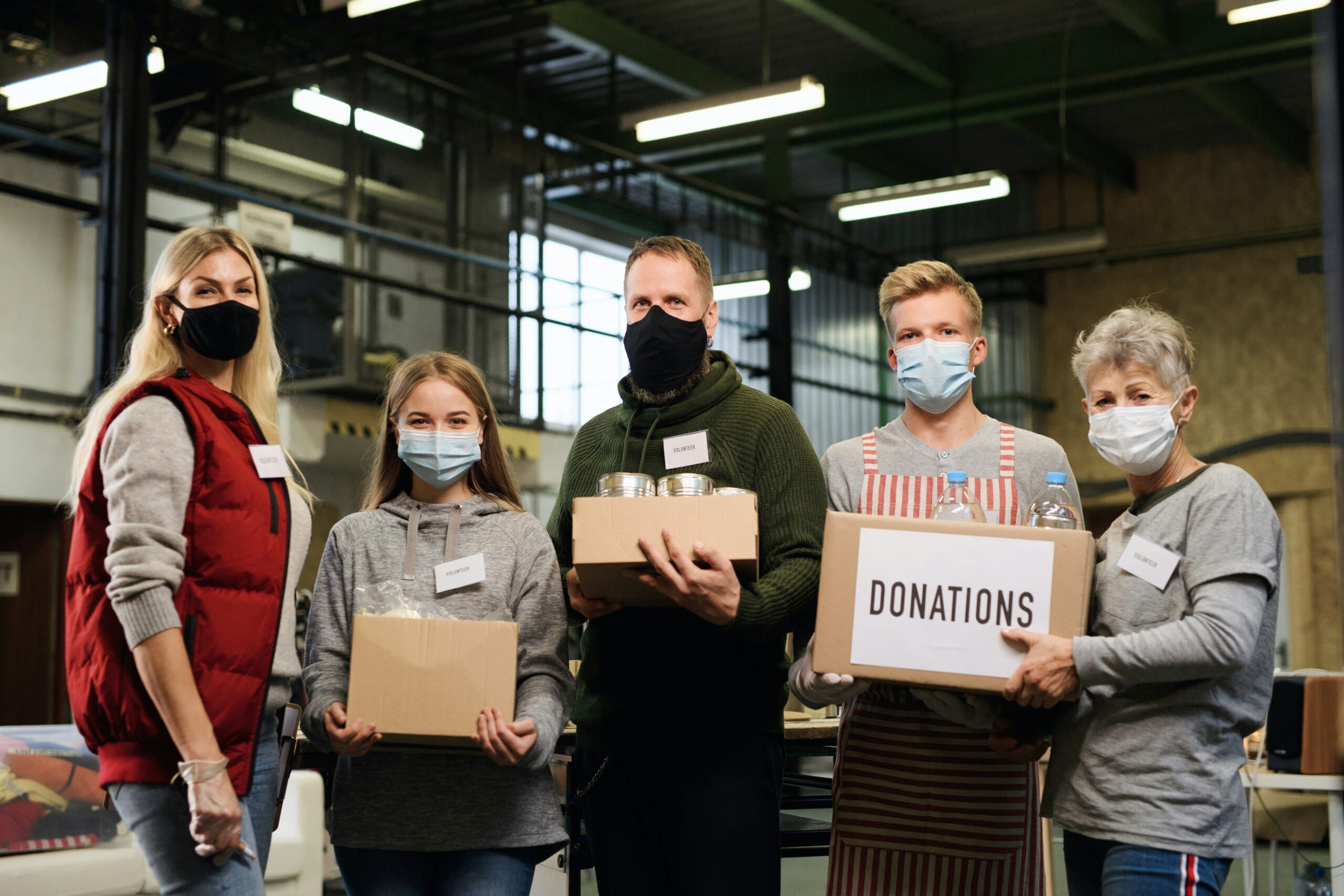
Local giving plays an important role in shaping stronger, healthier, and more connected neighborhoods. When individuals, businesses, and charitable organizations invest in their surroundings, they create opportunities that benefit residents. These contributions can improve public spaces, expand educational opportunities, support small businesses, and provide essential services to vulnerable families. Unlike broader charitable efforts, local giving allows donors to understand the specific challenges their neighbors face. This direct connection encourages meaningful contributions and responsible decisions. Over time, consistent generosity can strengthen relationships, improve living conditions, and create a sense of shared responsibility. Neighborhood development becomes more sustainable when residents actively participate in building a better future.
Addressing the Immediate Needs of Residents
Every neighborhood faces challenges that require attention and practical solutions. Some families struggle to access nutritious food, affordable housing, or essential healthcare services. Local donors can help address these concerns by supporting organizations that work directly with affected residents. Food banks, community shelters, and assistance programs often depend on charitable contributions to maintain their services. These resources provide immediate relief and help individuals manage difficult circumstances without facing additional financial pressure.
Local giving also allows charitable organizations to respond quickly when unexpected problems arise. Natural disasters, economic hardships, and personal emergencies can place considerable stress on families. Community members who contribute money, supplies, or volunteer hours help create reliable support networks. These efforts can prevent temporary difficulties from becoming long-term problems. Furthermore, accessible assistance gives residents greater confidence in their ability to overcome challenges. Meeting immediate needs establishes a foundation for broader neighborhood improvement and long-term stability.
Creating Better Educational Opportunities
Education provides individuals with the knowledge and confidence they need to pursue meaningful opportunities. However, schools in some neighborhoods face limited resources that affect the quality of learning experiences. Local philanthropists can help address these challenges by supporting classroom improvements, educational materials, and after-school programs. Their contributions give students access to resources that may otherwise remain unavailable. These investments can encourage academic engagement and help young people develop essential skills.
Educational giving also extends beyond traditional classrooms. Community centers and public libraries provide valuable learning opportunities for residents of different ages. Donations can support reading programs, technology access, career training, and adult education. These initiatives help individuals strengthen their abilities and prepare for future employment opportunities. When local donors invest in education, they contribute to the development of a more capable and confident population. Over time, these improvements can support economic growth and reduce barriers that prevent residents from achieving their goals.
Improving Public Spaces and Neighborhood Infrastructure
Well-maintained public spaces contribute to a neighborhood’s overall appeal and quality of life. Parks, playgrounds, gardens, and recreational facilities provide opportunities for exercise, relaxation, and social interaction. Local charitable contributions can help restore neglected spaces and improve existing facilities. Residents benefit when they have safe and welcoming environments where they can spend time with their families and neighbors. These improvements can also encourage greater participation in outdoor activities.
Community members often develop a stronger sense of ownership when they contribute to public improvements. Volunteer groups may organize neighborhood cleanups, plant trees, or maintain shared gardens. Financial donations can provide the equipment and materials necessary to complete these projects. Such efforts demonstrate how collective action can produce visible results. Improved public spaces also encourage residents to interact more frequently, strengthening social relationships. As neighborhoods become more attractive and accessible, they can provide healthier environments that support the well-being of residents across generations.
Supporting Small Businesses and Economic Growth
Small businesses contribute significantly to neighborhood development by creating employment opportunities and providing essential goods and services. However, local entrepreneurs may struggle to secure the resources necessary to establish or expand their operations. Philanthropic organizations can support economic development through business training, grants, and mentorship programs. These initiatives help entrepreneurs build practical skills and overcome financial barriers that might otherwise limit their progress.
A stronger local economy benefits more than business owners. Successful businesses can create jobs, attract customers, and encourage additional investment in surrounding areas. Residents who find employment close to home may experience greater financial stability and reduced transportation costs. Moreover, charitable support for workforce development can help individuals gain qualifications that match available job opportunities. By investing in local businesses and professional training, donors help create conditions that support economic independence. These efforts can contribute to lasting neighborhood prosperity rather than providing only temporary financial assistance.
Strengthening Relationships Among Community Members
Strong neighborhoods depend on meaningful relationships between residents. Local giving creates opportunities for people to connect through shared goals and common interests. Charitable events, volunteer projects, and fundraising activities bring individuals together who might not otherwise interact. These experiences encourage communication and cooperation while helping residents understand different perspectives. As people work together, they can develop greater trust and appreciation for their neighbors.
Community relationships become especially valuable during difficult circumstances. Residents who know and support one another may respond more effectively to emergencies and unexpected challenges. Local organizations can encourage these connections by creating welcoming programs that involve people from different backgrounds. Donors who support inclusive community activities help reduce social isolation and strengthen residents’ sense of belonging. Consequently, neighborhoods can become more supportive environments where individuals feel valued. These social connections contribute to long-term stability and encourage continued participation in community development efforts.
Expanding Access to Health and Wellness Services
Healthy residents contribute to stronger and more productive neighborhoods. However, financial limitations and transportation difficulties can prevent individuals from accessing essential healthcare services. Local charitable contributions can help organizations provide affordable health screenings, wellness education, and preventive care. These services may help residents identify health concerns earlier and make informed decisions about their well-being. Supporting accessible healthcare can also reduce some of the financial pressures families experience.
Mental health and emotional well-being deserve equal attention. Community organizations can use charitable funding to support counseling services, recreational activities, and programs that reduce social isolation. These resources provide opportunities for residents to seek assistance and build supportive relationships. Local donors can also encourage healthier lifestyles by investing in fitness facilities, nutrition education, and safe recreational spaces. When neighborhoods prioritize physical and emotional wellness, residents may become better equipped to participate in educational, professional, and social activities. These improvements support a healthier and more resilient community.
Encouraging Responsible and Sustainable Charitable Giving
Effective local giving requires careful consideration of community needs. Donors should communicate with residents and charitable organizations before deciding where to direct their resources. Understanding existing challenges helps contributors support projects that offer meaningful benefits. Local organizations can provide valuable insights because they often work closely with the people who need assistance. This collaborative approach helps prevent unnecessary spending and ensures that charitable efforts reflect genuine neighborhood priorities.
Sustainable giving also requires attention to long-term results. A single donation can address an immediate problem, but consistent support may produce more lasting improvements. Charitable organizations should communicate how they use contributions and explain the progress their programs achieve. Transparent practices help donors understand the value of their investments and encourage continued participation. Additionally, regular evaluations allow organizations to adjust their services when community needs change. Responsible giving strengthens trust and helps ensure that available resources contribute to meaningful neighborhood development.